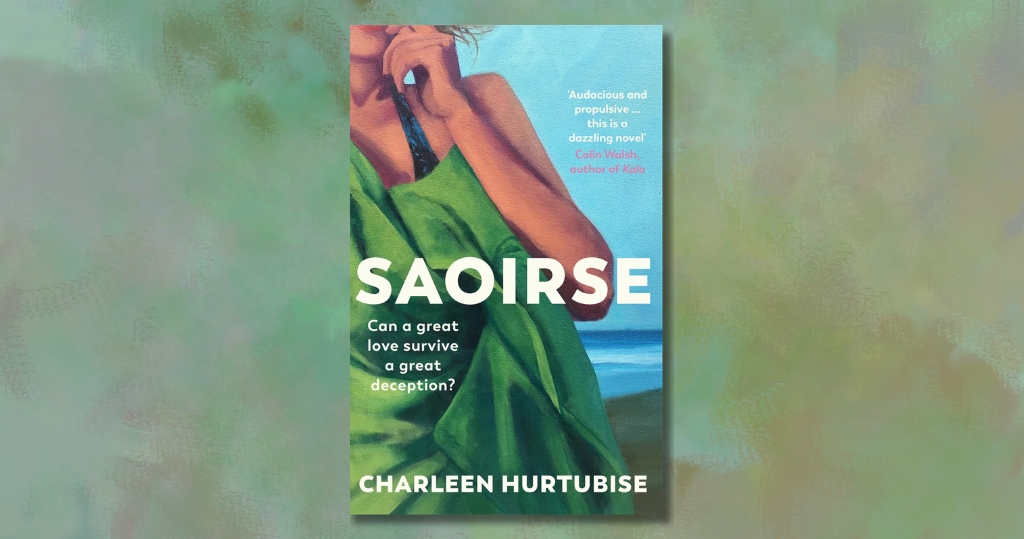
Saoirse is the story of a young American woman who flees to Ireland to escape the troubles she left behind in Michigan. Travelling under a stolen identity, she boards a plane planning to only disappear for a short while, but she accidentally begins to build a life. Before long she realises there is no simple way back. As she builds a life in her adopted country, she works through her past and present traumas by pouring herself into her art, all the while avoiding the truth of the lie she is living. When her Dublin exhibition wins a prestigious art prize, drawing unexpected media attention, Saoirse is forced to confront the secrets she hoped she had outrun. Complicating matters, she has met the love of her life, and now she has everything to lose.
The idea of an American running away to Ireland and accidentally starting a life captured my imagination, particularly setting it in the 1990s, before government systems were fully linked and long before a quick internet search could unravel a hidden past. In recent years, we have seen stories of people who have something to hide slip into Ireland undetected and living quietly until some unforeseen event exposed them. If this could happen in our hyperconnected world, it certainly could happen before technology was pervasive. What would it be like for a young woman on the run to find herself temporarily lifted out of chaos, only to find the life she is creating is under threat by the truth she conceals?
Saoirse is a work of fiction told from a survivor’s perspective. While her journey is entirely her own, many scenes were built from the emotional bricks of my lived experience. One particular moment near the novel’s end has resonated strongly with early readers: a character named Sasa resurfaces, voicing rage at girls paying for the sins of adults. Her words reflect a sentiment many women are feeling today: I’m so sick of women having to run all the time – and if they are not running, they’re defending themselves.
In writing this novel, I had one clear goal: get this girl to safety. But ultimately, Saoirse is a love story about how human connection can offer a path to redemption, reinvention, and hope.